

In a world where climate change seems to be the new normal and plastic straws are public enemy number one, green technology emerges as the superhero we didn’t know we needed. It’s the dazzling blend of innovation and sustainability that promises to save the planet while making life a whole lot cooler. Imagine solar panels that double as stylish roof tiles or electric cars that can outpace your neighbor’s gas-guzzler. Talk about a win-win!
Overview of Green Technology
Green technology encompasses a range of innovative solutions aimed at addressing environmental challenges. This technology focuses on improving energy efficiency and reducing waste. Renewable energy sources like solar and wind power play a significant role in this movement.
Solar panels, designed as attractive roof tiles, enhance building aesthetics while generating clean energy. Electric vehicles represent another pivotal advancement, reducing reliance on fossil fuels and decreasing greenhouse gas emissions.
Smart grids improve energy distribution and consumption through real-time data analysis, leading to fewer outages and lower energy costs. Additionally, sustainable agriculture employs techniques such as vertical farming and organic practices, minimizing environmental impacts while enhancing food production.
Recycling technologies have transformed waste management. Advances in sorting and processing recyclables improve recovery rates and reduce landfill contributions. Biodegradable materials are also gaining traction, replacing traditional plastics in various applications.
Water conservation technologies, such as rainwater harvesting systems and efficient irrigation methods, help optimize water use in agriculture and urban settings. These innovations not only address scarcity but also contribute to ecosystem preservation.
As green technology continues to evolve, its benefits expand across multiple sectors. Investment in research and development fosters a more sustainable future, creating jobs and stimulating economic growth. Policymakers and industries alike prioritize green initiatives to combat climate change and protect natural resources for future generations.
Types of Green Technology
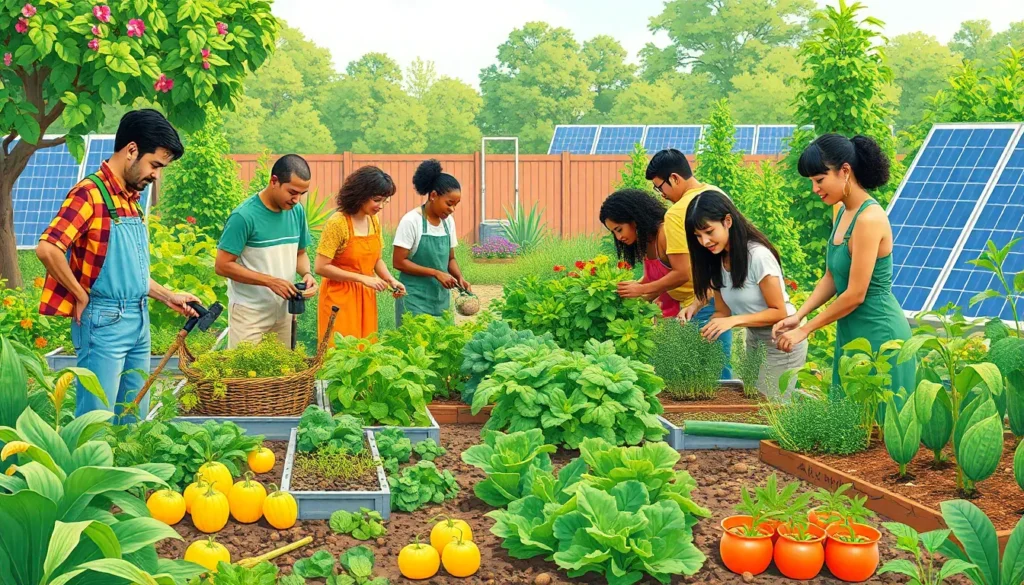
Green technology includes various innovative solutions designed to tackle environmental challenges. This section explores key categories that contribute to sustainability.
Renewable Energy Sources
Renewable energy sources play a pivotal role in reducing reliance on fossil fuels. Solar power harnesses sunlight through panels for electricity generation. Wind power employs turbines to convert kinetic energy from wind into usable energy. Hydropower generates energy by using flowing water in rivers or dams. Geothermal energy taps into heat from the Earth’s core for heating and electricity. Each of these methods offers cleaner alternatives, minimizing carbon emissions and fostering environmental sustainability.
Sustainable Agriculture Practices
Sustainable agriculture practices aim to enhance food production while preserving ecosystems. Techniques such as crop rotation improve soil health and yield. Organic farming avoids synthetic chemicals, supporting biodiversity. Vertical farming utilizes limited space, allowing for urban agriculture with reduced environmental impact. Hydroponics grows plants in nutrient-rich water, utilizing fewer resources compared to traditional methods. These practices decrease waste and contribute to an efficient food supply chain, addressing global food security issues.
Waste Management Innovations
Waste management innovations enhance the efficiency of recycling and waste reduction efforts. Advanced recycling technologies convert waste materials back into reusable resources. Composting transforms organic waste into nutrient-rich soil amendments. Waste-to-energy facilities generate energy by burning refuse or converting it into gas. Biodegradable materials break down more easily, reducing landfill accumulation. Each innovation plays a critical role in creating a circular economy and promoting sustainable consumption habits.
Benefits of Green Technology
Green technology offers significant advantages that extend beyond environmental preservation and contribute to economic growth. Understanding these benefits underscores the importance of embracing sustainable practices across various sectors.
Environmental Impact
Green technology dramatically reduces carbon emissions and promotes cleaner energy alternatives. Solar panels and wind turbines harness renewable resources, minimizing reliance on fossil fuels. Sustainable agriculture practices enhance soil health, promote biodiversity, and conserve water resources. Advanced recycling technologies prevent waste from entering landfills. Biodegradable materials replace traditional plastics, reducing pollution levels. These innovations foster a healthier ecosystem, ensuring a safer environment for future generations.
Economic Advantages
Adopting green technology boosts economic opportunities and creates jobs in emerging industries. The renewable energy sector experienced growth, employing over 3 million workers in the U.S. as of 2022. Innovations in waste management and energy efficiency generate cost savings for consumers and businesses. Governments investing in green initiatives stimulate local economies. With policies favoring sustainable practices, companies gain a competitive edge by attracting environmentally conscious consumers. The transition to a green economy propels economic growth and enhances energy independence.
Challenges in Implementing Green Technology
Implementing green technology presents various challenges that must be addressed to achieve sustainability goals. Organizations frequently encounter cost barriers and regulatory hurdles that impede progress.
Cost Barriers
High initial costs often deter investments in green technology. Many innovative solutions require substantial upfront capital, making it difficult for small businesses and startups to enter the market. For example, large-scale solar installations may necessitate significant financing, even though long-term savings can compensate for these expenses. Maintenance costs for advanced technologies, such as smart grids, also add to the overall financial burden. Though financial incentives exist, they might not cover all expenses, especially for new companies. In response, finding alternative funding sources or partnerships can help offset these cost barriers, facilitating the adoption of green technologies.
Regulatory Hurdles
Regulatory hurdles can stall green technology projects. Complex regulations often inhibit innovation and slow progress. Compliance with existing laws requires time and resources, which can be challenging for smaller firms. Additionally, inconsistent policies across regions can create uncertainty for businesses. These challenges may lead to reluctance in investing in new technologies. A streamlined regulatory framework could promote consistency and encourage investment. Educating policymakers on the benefits of green technology can help facilitate a more supportive environment for its implementation.
Future Trends in Green Technology
Emerging trends in green technology show potential for transforming various sectors. Advances in energy storage significantly enhance renewable energy efficiency by providing reliable backup power during peak demand. Battery technologies, particularly those using lithium-sulfur or solid-state materials, improve energy density and lifespan, making them suitable for electric vehicles and grid storage.
Innovations in building materials contribute to sustainability efforts. Insulation made from recycled materials reduces waste, while energy-efficient windows minimize heat loss. Smart building technologies utilize Internet of Things (IoT) devices to optimize energy consumption, adjusting lighting and HVAC systems based on real-time occupancy data.
Sustainable transportation continues to evolve. Electric vehicle production rises, leading to a decrease in fossil fuel reliance. Public transport systems integrate more green options, such as electric buses and trains powered by renewable sources, reducing urban pollution.
Circular economy practices gain traction. Businesses increasingly adopt methods to repurpose materials and reduce waste. Companies that focus on upcycling and remanufacturing demonstrate a commitment to sustainability while minimizing their ecological footprint.
Furthermore, precision agriculture becomes more prevalent. Technologies like drones and AI optimize farming practices, ensuring efficient resource use. This development enables farmers to increase yields while conserving water and minimizing chemical inputs.
Collaboration among stakeholders represents a vital trend. Partnerships between governments, private sectors, and research institutions drive innovation in green technology. These collaborations focus on sharing knowledge, funding research, and developing practical solutions to environmental challenges.
All these trends point toward a broader commitment to sustainability, shaping a future where green technology plays a central role in addressing climate change and enhancing quality of life.
Green technology stands at the forefront of the fight against climate change and environmental degradation. Its innovative solutions not only address pressing issues like carbon emissions and waste management but also enhance everyday living. As advancements continue to emerge across various sectors the potential for a sustainable future grows stronger.
The collaboration between governments businesses and research institutions is essential for overcoming challenges and propelling this movement forward. By prioritizing green initiatives and investing in sustainable practices society can pave the way for an economically vibrant and environmentally responsible world. Embracing green technology is not just a choice; it’s a necessity for a healthier planet and future generations.

