
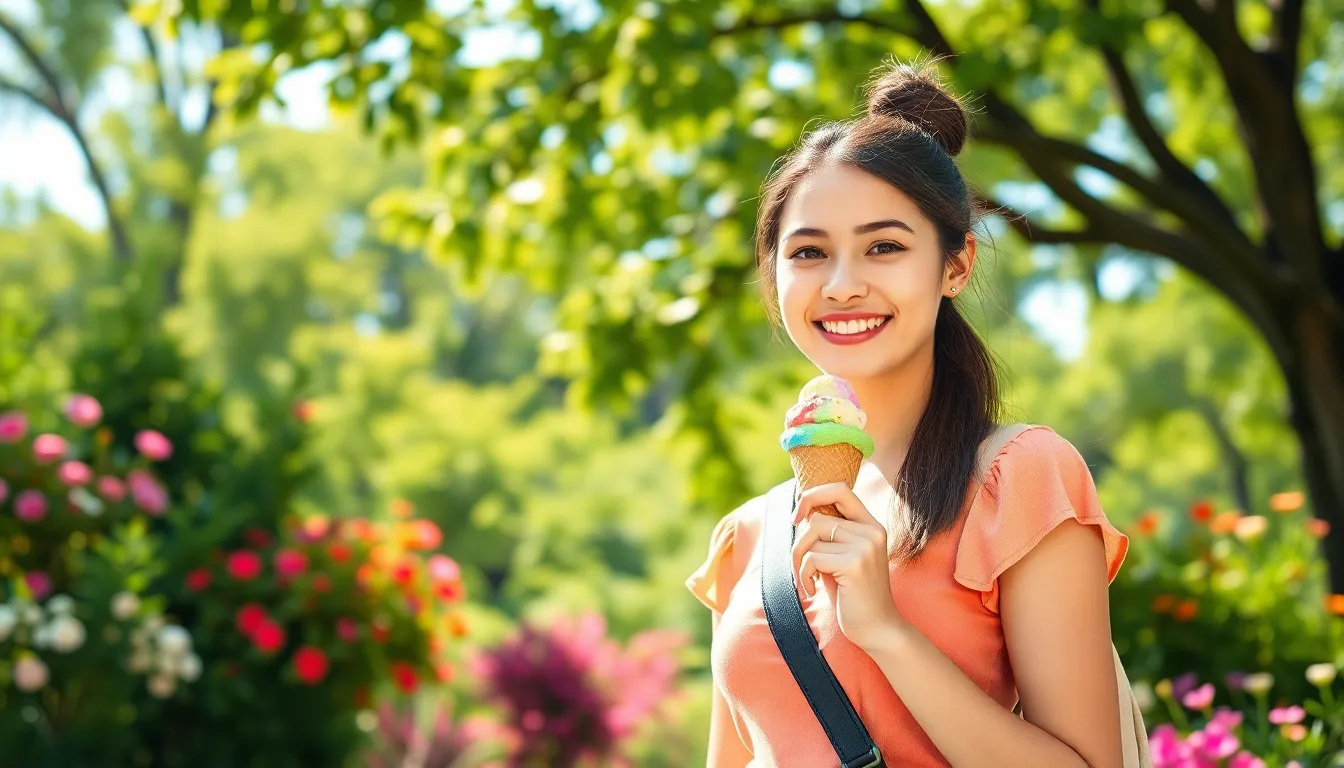
In a world bursting with choices, lifestyles are as diverse as the flavors in an ice cream shop. From the minimalist who thrives on simplicity to the adventurous soul chasing thrills across continents, everyone has their unique way of living. It’s like a buffet of existence—each lifestyle offering its own delicious dish of experiences, challenges, and joys.
Imagine waking up each day and choosing between the serene life of a yoga enthusiast or the fast-paced hustle of a city dweller. Both paths come with their own quirks and perks. So, buckle up as we dive into the fascinating tapestry of different lifestyles, where each thread tells a story that’s worth exploring. Whether you’re seeking inspiration or just a good laugh, there’s something for everyone in this colorful journey.
Overview Of Different Lifestyles
People embrace various lifestyles that define their daily routines, values, and perspectives. Minimalism focuses on simplifying life by reducing excess possessions and distractions. This lifestyle promotes mental clarity and emotional well-being.
Adventurous pursuits emphasize exploration and thrill-seeking, often involving travel and outdoor activities. Individuals who adopt this lifestyle seek to experience new cultures, challenges, and adrenaline-boosting experiences.
Eco-conscious living prioritizes sustainability, where individuals make choices that benefit the environment. Organic eating, using renewable resources, and reduced waste characterize this lifestyle. Many people find a sense of fulfillment in contributing to environmental preservation.
Urban living contrasts with rural lifestyles, where the focus lies on city activities and social interactions. In urban areas, people enjoy cultural events, diverse dining options, and vibrant nightlife. Relationships in these environments can be dynamic and fast-paced.
Alternative lifestyles offer unique approaches to health and wellness. Practices such as yoga, meditation, and holistic living are common elements. Those who practice alternative lifestyles often seek balance and harmony in their lives.
Traditional lifestyles remain rooted in history and cultural heritage. Many individuals value familial connection and community involvement. This lifestyle often emphasizes customs, rituals, and the passing down of traditions.
Each lifestyle provides distinct advantages and challenges. Embracing any of these varied lifestyles can lead to personal growth and discovery.
Factors Influencing Different Lifestyles

A multitude of factors shape various lifestyles. Cultural background and economic status play significant roles in defining daily life.
Cultural Influences
Cultural influences impact values, traditions, and behaviors. Family traditions often dictate practices such as diet, celebrations, and social interactions. Societies with strong communal ties may foster lifestyles centered on connection and collaboration. In contrast, individualistic cultures might emphasize personal achievement and self-expression. Language also reflects cultural identity and affects communication styles. Many people adapt their lifestyles based on societal expectations and local norms, shaping individual choices.
Economic Factors
Economic factors determine access to resources and opportunities. Wealthier individuals often pursue varied lifestyles, engaging in travel, hobbies, and activities that require financial investment. Job markets influence lifestyle options, with urban areas offering more varied employment opportunities than rural locations. Disposable income impacts lifestyle choices concerning leisure activities and housing arrangements. Additionally, economic stability affects mental well-being, influencing how individuals prioritize personal development and fulfillment.
Popular Types Of Different Lifestyles
Diverse lifestyles reflect individual values, priorities, and life choices. Below are some popular types of lifestyles people embrace.
Urban Vs. Rural Living
Urban living offers vibrant city experiences, including cultural events and abundant social interactions. Residents often enjoy convenient access to amenities and diverse job markets. Alternatively, rural living presents tranquility, closer connection to nature, and stronger community bonds. People in rural areas may prioritize outdoor activities and a slower life pace. Urban dwellers typically experience higher population density, while those in rural settings face lower congestion and pollution. Each lifestyle caters to distinct preferences and influences overall well-being.
Minimalism And Simplicity
Minimalism emphasizes living with intention and eliminating excess. Adopting this lifestyle often leads to mental clarity and reduced stress. Simplifying possessions encourages individuals to focus on what truly matters, such as experiences and relationships. Many find satisfaction in decluttering their environments, enhancing their emotional well-being. Simplicity can manifest in various forms, including minimalistic home decor and capsule wardrobes. Embracing minimalism leads to a more sustainable lifestyle, as individuals make mindful consumption choices.
Fitness And Health-Oriented Lifestyles
Fitness-focused lifestyles prioritize physical health and well-being through regular exercise and nutritious eating. Many individuals engage in various activities, from yoga to intense workouts, fostering an active lifestyle. Nutrition plays a crucial role, with emphasis on whole foods and balanced diets. Wellness routines often incorporate mindfulness practices that support mental health. Individuals pursuing this lifestyle frequently discover a sense of community in fitness groups or wellness workshops. Embracing a health-oriented lifestyle positively impacts overall quality of life and longevity.
Challenges Of Adopting Different Lifestyles
Adopting different lifestyles presents unique challenges that can impact individuals significantly. Each lifestyle comes with lifestyle-specific complexities that can affect mental and emotional well-being. Minimalism, while promoting simplicity, may create feelings of loss from letting go of material possessions. Individuals pursuing eco-conscious living often encounter obstacles in finding sustainable options that fit their budget and local availability.
Urban living brings excitement but can also result in stress due to crowded environments and high living costs. Those embracing adventurous pursuits face risks while engaging in outdoor activities often needing proper training or equipment. Fitness and health-oriented lifestyles require continuous commitment, and this sustained effort can lead to burnout if not balanced properly.
Cultural background adds another layer of difficulty. Changes in traditions and social expectations can create tension between adopting a new lifestyle and adhering to familial values. Economic constraints play a crucial role too; not everyone can afford the resources needed for healthier or more sustainable living.
Support systems can also influence these challenges. Friends and family might not be supportive of lifestyle changes, leading to feelings of isolation for those on their journey. Rural lifestyles can limit access to community resources such as gyms, health food stores, or diverse social groups, hindering the pursuit of various lifestyles.
Ultimately, managing these challenges requires determination and adaptability. Embracing a new lifestyle often involves navigating through a range of obstacles, with each individual encountering their own set of unique difficulties. Prioritizing personal values becomes essential in overcoming these hurdles and finding the right lifestyle balance.
Exploring different lifestyles reveals a rich mosaic of choices that reflect personal values and aspirations. Each lifestyle offers unique experiences that can lead to profound personal growth. Whether one finds joy in minimalism or seeks adventure in travel, the journey toward finding the right fit is deeply rewarding.
Embracing the challenges that come with these lifestyles fosters resilience and adaptability. As individuals navigate their paths, they learn to prioritize what truly matters to them. The vibrant stories behind each lifestyle inspire others to reflect on their own journeys, encouraging a deeper understanding of the diverse ways people live and thrive.

