
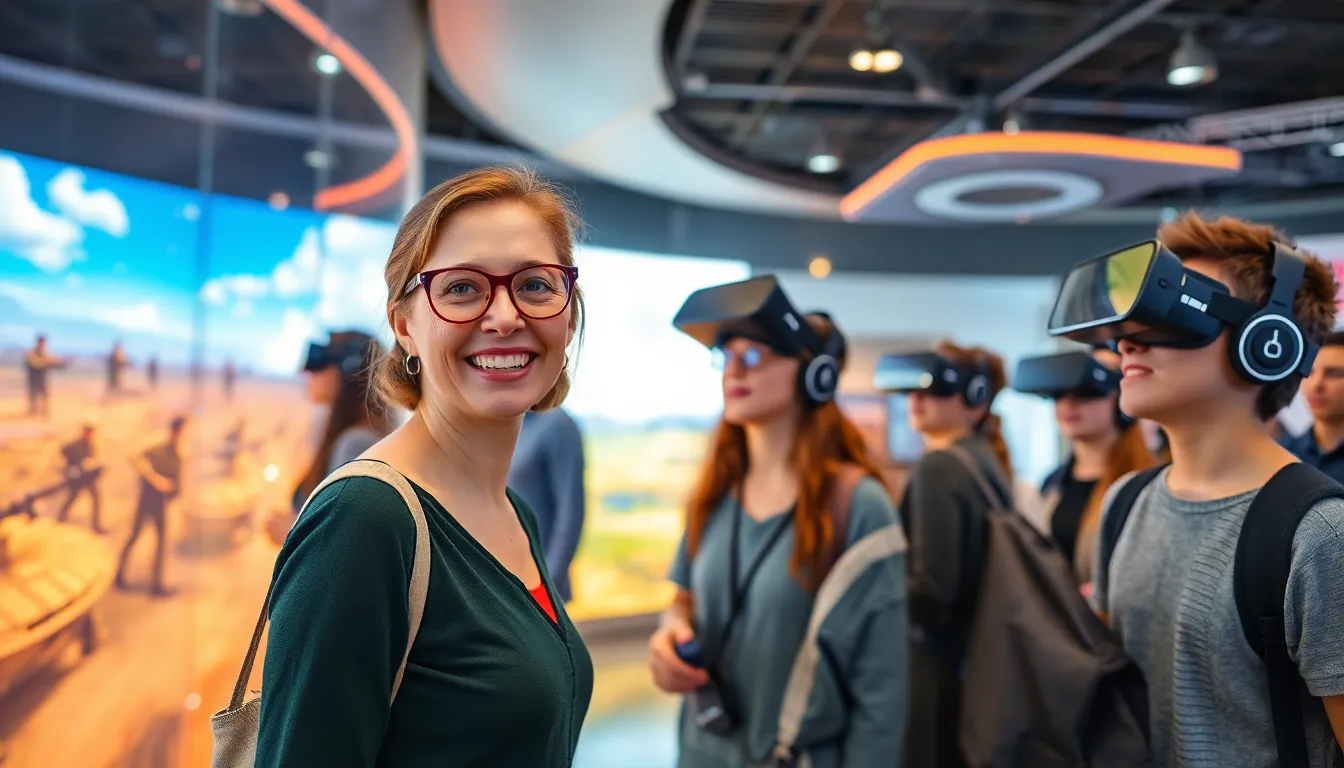
Step into a world where reality takes a backseat and imagination drives the bus. The Museum of Simulation Technology isn’t just a place to gawk at dusty artifacts; it’s a thrilling playground for the curious mind. Here, visitors can dive into cutting-edge simulations that bring everything from historical events to futuristic scenarios to life. Who knew learning could feel like a rollercoaster ride?
Overview Of The Museum Of Simulation Technology
The Museum of Simulation Technology serves as a hub for innovative learning experiences. Visitors encounter cutting-edge interactive exhibits that replicate historical events and envision future possibilities. Each simulation offers a hands-on approach, increasing engagement and sparking curiosity.
Exhibits cater to a wide range of interests, from ancient civilizations to advanced technological innovations. Simulation experiences immerse participants in scenarios such as space exploration, historical battles, and environmental challenges. Visitors often find themselves actively participating rather than passively observing, enhancing learning retention.
The museum features high-tech tools and immersive environments that transform conventional education. Guided tours lead guests through themed areas, allowing deeper exploration of specific topics. Educational workshops foster collaboration and creativity among attendees.
Special events frequently occur, offering unique opportunities for enthusiasts and educators alike. Collaborations with schools and universities enrich programming and provide tailored experiences. Resources available for teachers facilitate lesson planning and post-visit discussions.
Feedback from visitors underscores the museum’s impact on understanding complex subjects. Many express appreciation for the interactive format, which promotes critical thinking and problem-solving skills. The museum stands as a vital resource for anyone eager to enrich their knowledge through immersive simulation technology.
History Of Simulation Technology
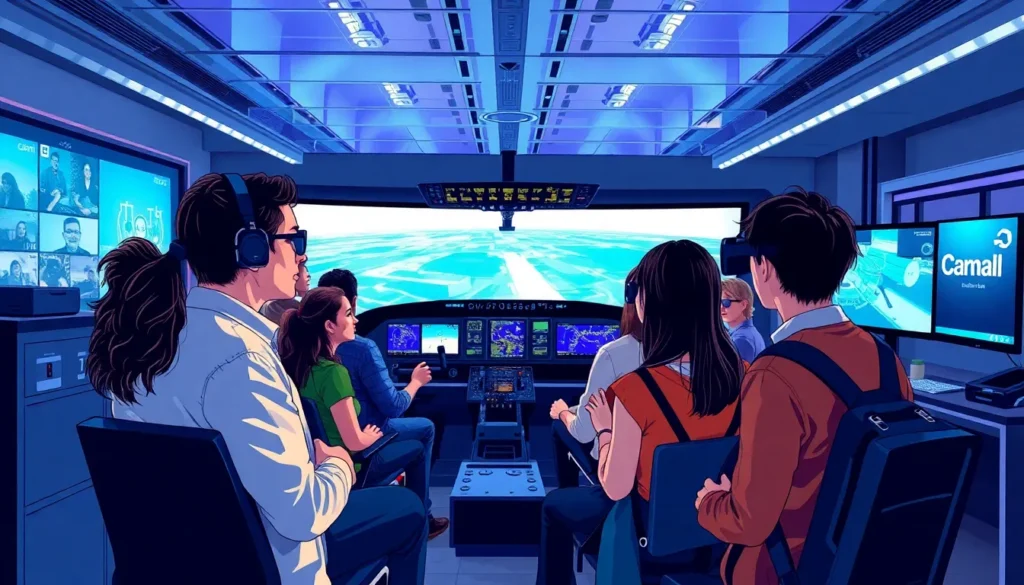
Simulation technology has evolved significantly over decades, influencing how individuals experience education and training. Early innovations laid the groundwork for modern developments, shaping the way simulations are utilized today.
Early Developments
The origins of simulation technology trace back to the mid-20th century. Pioneering efforts in flight simulators began in the 1920s, designed to enhance pilot training. These early devices used mechanical systems to replicate aircraft controls. In the 1960s, the advent of computer technology enabled the creation of more sophisticated simulations. This era marked the shift from analog to digital, introducing interactive elements. Education and military training embraced these new tools, recognizing their potential for improved learning outcomes. Resulting applications included military flight training and engineering simulations, demonstrating the technology’s versatility.
Modern Advancements
Modern simulations integrate advanced technologies like virtual reality, augmented reality, and artificial intelligence. High-fidelity graphics create immersive environments that enhance user experiences. Organizations, including educational institutions, utilize these innovations for effective training programs. Medical simulations allow students to practice procedures in realistic settings, improving competencies without risk to patients. The gaming industry also fuels developments in simulation technology. Gamification elements attract users, making learning engaging. Collaborative tools support team training and problem-solving exercises. Educational institutions now frequently deploy simulation technology in classrooms, fostering experiential learning and critical thinking skills.
Key Exhibits And Attractions
The Museum of Simulation Technology features several captivating exhibits designed to enhance visitor engagement. Each attraction embodies cutting-edge technology that transforms education.
Virtual Reality Experiences
Virtual reality experiences immerse visitors in lifelike scenarios. Users can engage in thrilling simulations, such as deep-sea explorations and extraterrestrial missions. Various VR setups cater to diverse interests, from historical events to futuristic simulations. Participants wear VR headsets, transporting them to different worlds. These encounters engage multiple senses and facilitate a deeper understanding of complex subjects. Research shows that VR training increases retention, making it a valuable tool for education.
Interactive Simulations
Interactive simulations provide hands-on opportunities to tackle real-world challenges. Guests can navigate historical battles and environmental crises, allowing them to make impactful decisions. This active participation fosters critical thinking and problem-solving skills. Various stations offer experiences that cater to different age groups and interests, ensuring enjoyment for all visitors. Collaborative elements encourage teamwork and communication while enhancing overall learning. Simulation technology showcases innovative ways to engage students and enrich their educational journeys.
Educational Programs And Workshops
The Museum of Simulation Technology offers dynamic educational programs and workshops designed to enhance learning through interactive experiences. These initiatives engage various audiences, from students to professionals, fostering deeper understanding of complex subjects.
Target Audience
Students of all ages frequently participate in programs tailored to their educational needs. Teachers seeking innovative resources often utilize workshops to enrich their curricula. Professionals benefit as well, gaining insights into emerging technologies applicable to their fields. Families looking for enriching experiences find the museum’s offerings compelling, accommodating diverse interests. Groups attending guided sessions appreciate the collaborative atmosphere that encourages discussion and creativity.
Learning Outcomes
Participants in educational programs achieve multiple learning outcomes through active engagement. Improved critical thinking skills emerge as individuals tackle scenarios that challenge their problem-solving abilities. Collaborative projects foster teamwork, helping groups develop effective communication strategies. Visitors often experience heightened knowledge retention, especially when interacting with simulations that provide immediate feedback. Workshops also nurture creativity, encouraging learners to explore innovative solutions to real-world issues. Overall, immersion in these experiences results in deeper comprehension and appreciation of simulation technology’s role in education.
Future Of The Museum
The Museum of Simulation Technology envisions a future rich with innovation and immersive learning experiences. Emphasis on advancements in technology will shape new exhibits that integrate even more interactive simulations. Visitors can expect virtual reality experiences that not only entertain but also educate on cutting-edge scientific and technological concepts.
Creativity will take center stage as the museum collaborates with tech companies to unveil ground-breaking simulations. Exhibits that adapt to user preferences will enhance engagement, making the learning experience feel personalized. Development of artificial intelligence tools will enable visitors to explore simulations tailored to individual learning styles.
Partnerships with educational institutions are set to grow, expanding the reach of the museum’s programs. Schools will benefit from enhanced curriculum support, using simulations to explain complex subjects. Workshops designed for educators will provide strategies for incorporating simulation technology into classroom settings, bridging educational gaps.
Research into the effectiveness of simulation-based learning continues to guide the museum’s future strategies. Studies indicate that active participation leads to improved retention rates. Enhancements in incorporating gamification elements into educational programs will further foster engagement and motivation among diverse audiences.
New special events showcasing emerging technologies will attract a wide range of visitors. Interactive panels and guest speakers from the simulation technology field will offer insights into current trends and future possibilities. The museum’s role as a hub for experiential learning will solidify its position as a pioneer in educational innovation.
As technology evolves, the Museum of Simulation Technology aims to remain at the forefront, redefining educational experiences through immersive learning opportunities. Vision for the future includes expanding the scope of simulations to explore topics such as environmental sustainability and ethical technology use. Continuous adaptation will ensure the museum meets the needs of tomorrow’s learners.
The Museum of Simulation Technology stands as a beacon of innovative learning and immersive experiences. By blending historical insights with futuristic possibilities, it captivates visitors of all ages. The museum’s commitment to interactive simulations not only enhances understanding but also fosters critical thinking and problem-solving skills.
As it continues to evolve with technological advancements, the museum is poised to remain at the forefront of educational innovation. With exciting new exhibits and partnerships on the horizon, it promises to deliver even more engaging experiences that inspire curiosity and creativity. The Museum of Simulation Technology is not just a destination; it’s a transformative journey into the world of knowledge and exploration.

