

In a world where everyone seems to be obsessed with personality quizzes and astrology, trait science steps in like a superhero with a lab coat. It dives deep into the fascinating realm of human characteristics, helping us understand why some people are natural-born leaders while others excel at binge-watching entire seasons of shows. This isn’t just for the curious; it’s a powerful tool that can transform workplaces, relationships, and even your Netflix recommendations.
Imagine being able to predict how someone will respond in a crisis or what makes them tick. Trait science offers insights that can turn awkward dinner conversations into engaging debates. So buckle up as we explore the quirky yet enlightening world of traits, where science meets the art of understanding ourselves and each other. It’s time to embrace the quirks and quirks of humanity—because who doesn’t want to be the most interesting person at the party?
Overview of Trait Science
Trait science examines individual characteristics in a structured manner. Researchers categorize traits using models, most notably the Big Five, which includes openness, conscientiousness, extraversion, agreeableness, and neuroticism. Each trait provides insight into behavior and preferences.
Understanding these dimensions offers valuable applications in various fields. Organizations employ trait assessments to enhance team dynamics and improve hiring processes. Personal relationships often benefit from recognizing differing traits, leading to improved communication and understanding among individuals.
Empirical studies back trait science, showing correlations between personality traits and life outcomes. For instance, higher conscientiousness often results in better academic performance, while higher extraversion typically correlates with stronger social networks. Specific traits influence decision-making styles and coping mechanisms, revealing deeper insights into personal development.
Additionally, trait science supports self-awareness. Identifying one’s dominant traits fosters growth and better interpersonal skills. Individual traits influence preferences for hobbies, career choices, and lifestyle. By embracing these aspects, individuals can tailor their environments to align with their natural tendencies, promoting fulfillment and success.
Trait science serves as a foundational tool for understanding human behavior. It offers a scientific lens through which unique qualities can be appreciated and leveraged, enhancing personal and social experiences. Engaging with this knowledge invites deeper connections and enriches social engagements.
Key Concepts in Trait Science
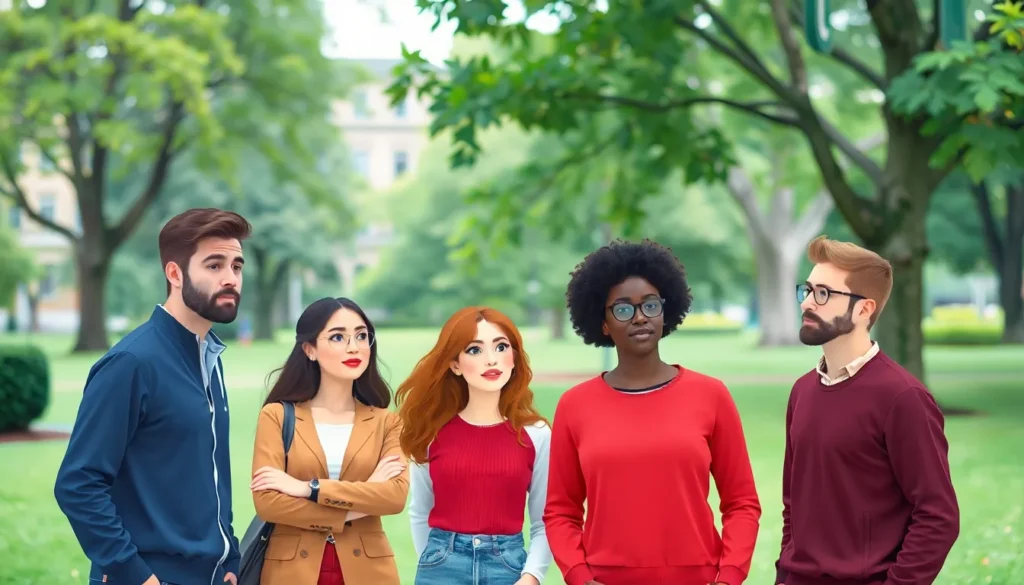
Trait science involves understanding the biological and environmental factors that shape human characteristics. It provides a framework for analyzing individual differences, leading to deeper insights into behavior and social dynamics.
Heritability and Traits
Heritability explains the extent to which genetic factors influence traits. Studies estimate that genetics contribute to 40-60% of personality traits, indicating a significant inherited component. Research shows that identical twins share more similarities in traits compared to fraternal twins, highlighting the role of genetics. The interplay of numerous genes contributes to specific traits. For instance, conscientiousness has strong genetic links, as evidenced by various twin studies. Understanding heritability helps clarify how much of personality is nature versus nurture.
Environmental Influences on Traits
Environmental factors play a critical role in shaping traits. Experiences, culture, and social contexts contribute to individual development. For example, upbringing can significantly impact levels of extraversion or agreeableness. Interactive processes between genetics and environment also determine behavior. Peer influence during adolescence often can encourage or suppress certain traits. Life experiences, such as career choices and relationships, further refine personality characteristics over time. Emphasizing these influences highlights the dynamic nature of traits and personal growth.
Applications of Trait Science
Trait science offers valuable applications across various fields, prominently in agriculture and human health.
Agriculture and Crop Improvement
Trait science significantly enhances agricultural practices. Genetic profiling of crops identifies traits related to yield and disease resistance. Farmers can then cultivate plant varieties with desirable attributes, improving overall production efficiency. For instance, researchers use trait assessments to breed crops that withstand climate extremes. These adaptations enable farmers to optimize resources while ensuring food security. Incorporating trait science facilitates precision farming, allowing for better-targeted interventions based on specific crop requirements.
Human Health and Behavior
Trait science contributes to understanding human health and behavior. Psychologists utilize personality assessments to tailor mental health treatments effectively. By identifying specific traits, professionals can predict responses to therapies, enhancing patient outcomes. Additionally, research indicates correlations between personality attributes and health-related behaviors. Individuals with high conscientiousness often engage in healthier lifestyle choices. Ultimately, trait science informs public health strategies and creates personalized health programs, improving overall community wellness.
Challenges in Trait Science
Trait science faces several challenges that impact its application and development. Researchers must navigate a complex landscape to ensure effective implementation.
Ethical Considerations
Ethical considerations play a significant role in trait science. Personality assessments can inadvertently lead to stigmatization or discrimination in workplaces and educational institutions. Maintaining confidentiality and consent is crucial, as individuals should control their personal trait information. Additionally, biases in trait measures can influence assessments and outcomes, potentially skewing results. Ensuring inclusivity in research designs helps address these biases, promoting fairness. Transparency in how trait data is used also strengthens trust between researchers and participants.
Limitations of Current Research
Limitations of current research in trait science include sample diversity and measurement issues. Many studies rely on homogeneous populations, restricting the generalizability of findings. Variability in trait assessments can lead to inconsistent results, making comparisons difficult. Researchers often face challenges defining and categorizing complex traits, which can oversimplify behavior. Longitudinal studies are necessary to observe changes over time; however, such studies require significant resources and time commitments. Addressing these limitations is essential for advancing the field and enhancing the applicability of trait science across different contexts.
Trait science offers a profound understanding of human behavior and characteristics. By examining traits through a scientific lens, individuals can uncover the underlying factors that influence their actions and interactions. This knowledge not only enhances personal growth but also fosters better relationships and workplace dynamics.
As trait science continues to evolve, its applications in various fields promise to unlock new potentials. Embracing this approach allows individuals to appreciate their unique qualities while navigating the complexities of social interactions. The journey into trait science is an invitation to explore oneself and others, paving the way for richer connections and informed decision-making.

