
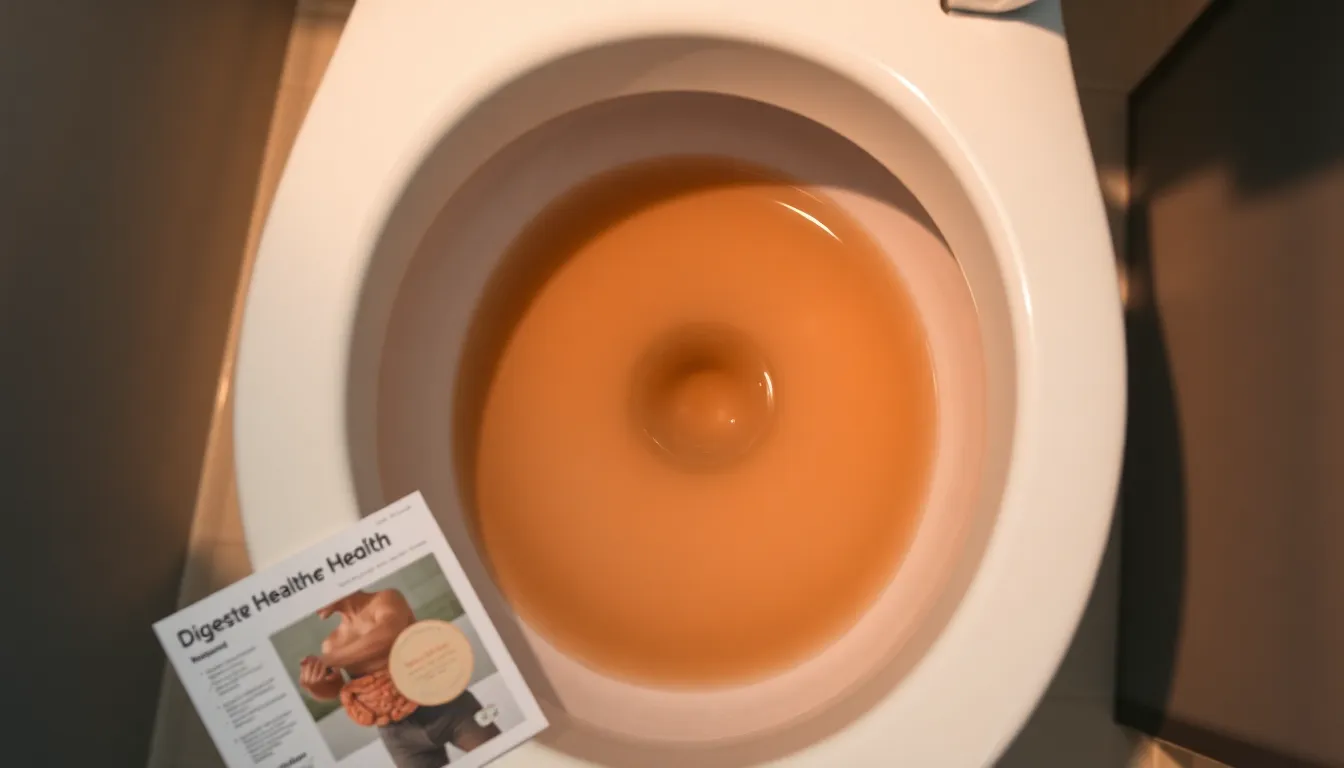
Everyone’s been there—an unexpected bathroom surprise that leaves them scratching their heads. If you’ve recently noticed your poop is looking more like a ghost than a healthy shade of brown, you’re not alone. Pale poop can be a puzzling and slightly alarming experience, but it’s also a perfect opportunity to dive into the world of digestive health.
Understanding Stool Color
Stool color plays a crucial role in assessing digestive health. Variations occur for various reasons, and understanding these can provide insight into potential health concerns.
Normal Stool Color
Typically, normal stool color ranges from light brown to dark brown. This variation primarily results from bile, a digestive fluid produced by the liver, interacting with food particles. Certain foods, such as beets or greens, can cause temporary changes. Most individuals experience healthy stool colors that indicate proper digestion and bile flow. Other colors can signal potential issues. For example, green stool may indicate rapid transit through the gastrointestinal tract.
Factors Affecting Stool Color
Several factors influence stool color beyond diet. Medications, like antacids or antibiotics, can alter stool appearance. Liver function affects bile production, impacting color. Conditions such as bile duct obstruction can lead to pale stool, indicating reduced bile flow. Dehydration may also cause darker stool due to concentrated waste. Dietary habits, particularly those high in refined foods, may contribute to changes as well. Regular monitoring of stool color helps maintain awareness of overall digestive health.
Common Causes of Pale Stool
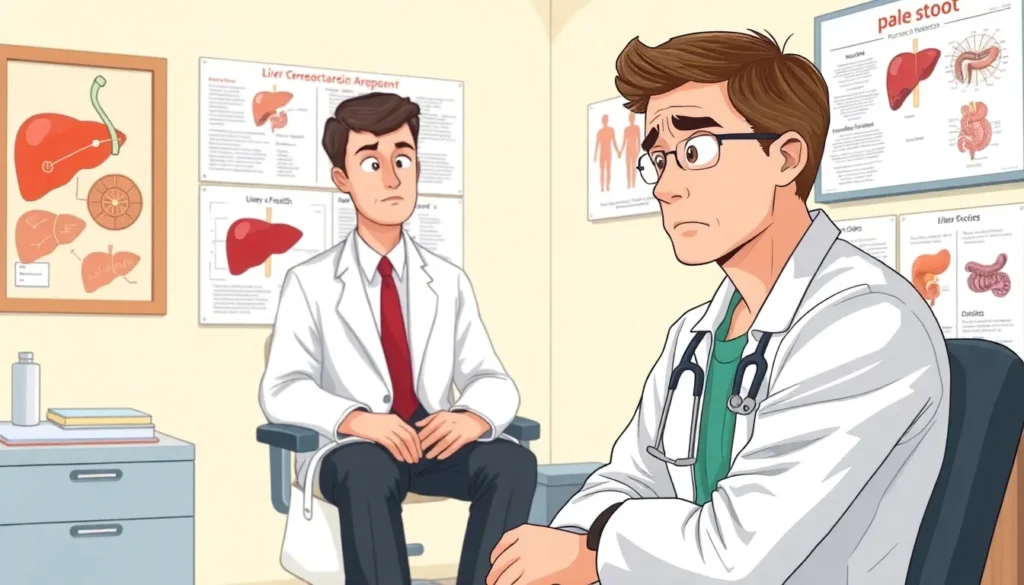
Pale stool can arise from various health issues. Understanding the underlying causes helps in addressing potential concerns.
Liver Issues
Liver diseases like hepatitis and cirrhosis significantly impact bile production. Bile contributes to the brown color in stool. When liver function declines, bile levels may drop, resulting in lighter stool shades. Symptoms such as jaundice or abdominal pain often accompany liver issues, signaling a need for medical evaluation.
Bile Duct Obstruction
Bile duct obstructions prevent bile from reaching the intestines, causing pale stool. Gallstones frequently cause these blockages. In some cases, tumors can also obstruct the bile ducts. Individuals may experience symptoms like yellowing of the skin and dark urine due to these conditions. Prompt diagnosis and treatment are essential to restore bile flow.
Pancreatic Disorders
Pancreatic disorders, including pancreatitis or pancreatic cancer, can cause pale stool. The pancreas produces enzymes that aid in digesting fats; insufficient enzyme production leads to fat malabsorption. As a result, stool appears pale or clay-colored. Symptoms may include weight loss and abdominal discomfort, which require medical attention and management.
Other Potential Reasons for Pale Stool
Pale stool can stem from several other factors, including dietary influences and medications. Recognizing these factors aids in understanding irregular stool color.
Dietary Influences
Certain foods can lighten stool color. High-fat diets may lead to pale stool due to the body’s inability to properly digest fat. Consuming excessive dairy products or foods lacking strong pigments, such as bland grains, might also contribute. Regular intake of foods like white rice or plain bread can create lighter stool shades. Additionally, a fiber-rich diet, while beneficial, leads to variations in stool color based on individual digestion.
Medications and Supplements
Medications and supplements can affect stool color significantly. Antacids containing aluminum hydroxide often result in pale stool. Meanwhile, over-the-counter medications containing bismuth subsalicylate can cause a similar effect. Some antibiotics manage bacterial infections but might disrupt normal bacteria in the gut, causing pale or clay-colored stool. Iron supplements, surprisingly, could lead to darker stools, revealing a complex interaction with digestion. Monitoring the impact of any new medication or supplement is crucial for assessing changes in stool color.
When to Seek Medical Attention
Pale stool can signal underlying health issues. Recognizing accompanying symptoms plays a crucial role in determining when to seek medical attention.
Symptoms Accompanying Pale Stool
Certain symptoms may indicate the need for medical evaluation. Jaundice, characterized by yellowing of the skin and eyes, often accompanies liver-related conditions. Dark urine can also occur, suggesting bile duct obstructions. Additionally, abdominal pain might arise, signaling issues within the liver or pancreas. Weight loss without trying may point to malabsorption or more serious disorders. Regularly monitoring these symptoms alongside changes in stool color aids in promptly addressing potential health concerns.
Importance of Early Diagnosis
Early diagnosis significantly impacts treatment outcomes. Identifying conditions responsible for pale stool allows for timely intervention. Liver diseases like hepatitis and cirrhosis respond better to early management. Furthermore, conditions such as pancreatitis require prompt action to prevent complications. Delaying medical attention could result in disease progression, leading to more severe health issues. Staying vigilant and seeking medical advice when symptoms arise ensures better overall digestive health and well-being.
Pale poop can be a sign of underlying health issues that shouldn’t be ignored. Staying informed about stool color and its implications plays a vital role in maintaining digestive health. By monitoring changes and recognizing symptoms that accompany pale stool, individuals can take proactive steps toward their well-being. Consulting a healthcare professional when necessary ensures that any potential problems are addressed promptly. Awareness and vigilance are key to navigating digestive health effectively.

