
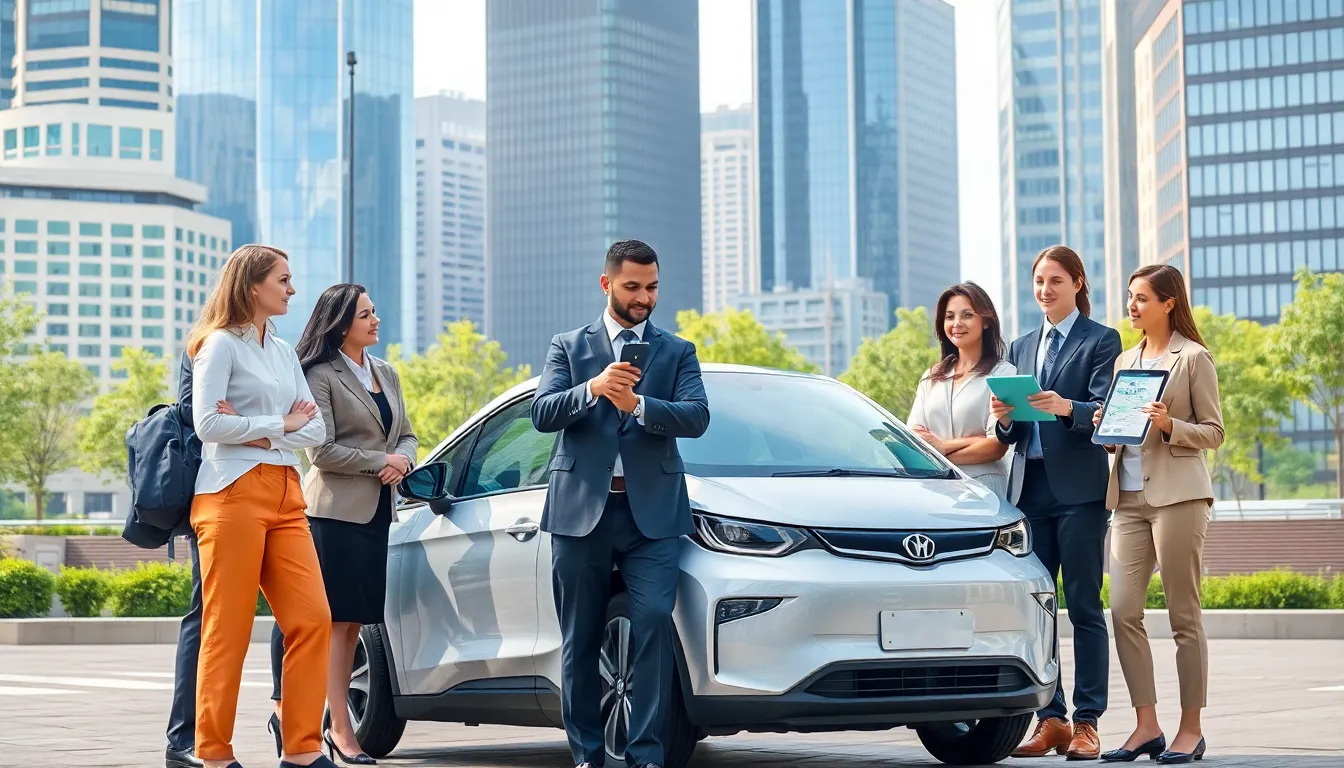
Transportation’s come a long way from horse-drawn carriages and steam engines. Today, it’s all about sleek electric vehicles, flying taxis, and even autonomous drones delivering your pizza. With innovation transforming how people and goods move, it’s clear that the future of transportation is not just exciting—it’s downright thrilling!
Overview of Innovation in Transportation
Innovation in transportation encompasses a range of advancements that fundamentally change how people and goods move. Electric vehicles represent one significant development, reducing reliance on fossil fuels and lowering emissions. Autonomous vehicles also play a critical role, offering safer and more efficient travel options.
Flying taxis are emerging as a novel solution to urban congestion, allowing for rapid transit over traffic-clogged streets. Incorporating vertical takeoff and landing capabilities, these vehicles can navigate urban environments effectively.
Public transportation has seen improvements through smart technology, enhancing user experience and operational efficiency. Real-time tracking apps provide commuters with valuable information about schedules and delays.
Hyperloop technology presents another revolutionary concept. This high-speed transit system aims to eliminate travel time between cities by using low-pressure tubes. With the potential to reach speeds over 700 miles per hour, the hyperloop could transform intercity travel.
Additionally, advancements in logistics and supply chain management lead to greater efficiency in freight transport. Blockchain technology helps track shipments securely, while drones assist in last-mile delivery.
Governments and private entities invest heavily in research and development to drive these innovations forward. Collaborations between tech companies and automotive manufacturers accelerate the pace of change.
Sustainability also guides innovation. Biofuels and hydrogen-powered vehicles contribute to reducing carbon footprints in transportation. As technology continues to evolve, the transportation landscape shifts toward greener and smarter solutions.
Key Technologies Driving Change
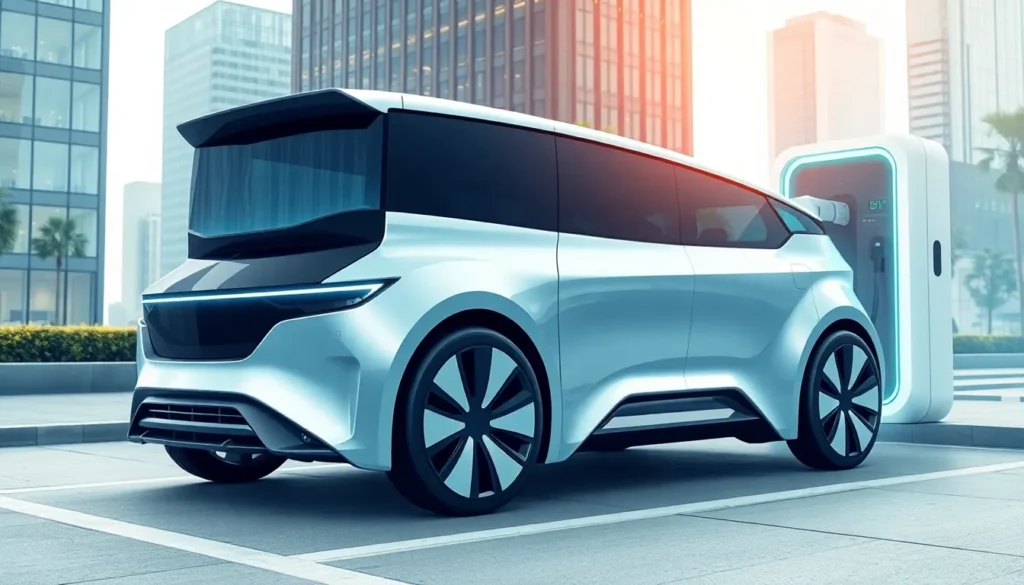
Innovative technologies significantly reshape transportation dynamics. Their development propels transformation in how people and goods move.
Autonomous Vehicles
Autonomous vehicles represent a major shift in travel safety and efficiency. These self-driving cars utilize advanced sensors and artificial intelligence to navigate, minimizing human error. Testing indicates that autonomous vehicles can potentially reduce accidents by up to 90 percent. Notably, companies like Waymo and Tesla lead in this sector, demonstrating advanced capabilities in urban environments. Regulatory frameworks adapt to accommodate these innovations, paving the way for broader adoption. As public trust in autonomous tech builds, an increase in shared mobility options emerges.
Electric Vehicles
Electric vehicles (EVs) play a pivotal role in reducing fossil fuel dependency. They run on electricity and greatly cut greenhouse gas emissions, showcasing an environmentally friendly alternative to traditional combustion engines. Major automakers, including Tesla and Ford, invest heavily in EV development, with projections indicating that EVs could account for 30 percent of global vehicle sales by 2030. Charging infrastructure expands, with fast chargers emerging at key locations to alleviate range anxiety. Incentives from governments further accelerate market growth, enhancing consumer accessibility to electric transportation.
Hyperloop Systems
Hyperloop systems promise to revolutionize intercity travel with unprecedented speed. This transportation concept aims to transport passengers in pods through vacuum-sealed tubes, reaching speeds exceeding 700 miles per hour. Companies like Virgin Hyperloop and Elon Musk’s The Boring Company lead the charge in developing prototypes. Demonstrations show the potential for substantial time savings in major city connections. Logistical and regulatory challenges exist, but ongoing research and investment indicate a strong potential for future implementation. Public interest heightens as cities consider hyperloop routes to address congestion and improve connectivity.
Impact on Urban Mobility
Urban mobility experiences significant enhancements through technological advancements, reshaping how people navigate cities.
Smart Cities
Smart cities integrate technology to streamline transportation systems, improving overall efficiency. Sensors and data analytics optimize traffic flow, reducing congestion and enhancing safety. For instance, real-time data from connected vehicles informs urban planners, facilitating better infrastructure development. Innovations such as smart traffic signals adjust in response to traffic patterns, ensuring smooth commutes. Collaborations between local governments and tech companies fuel these initiatives, creating interconnected urban environments where mobility solutions adapt to citizen needs.
Public Transportation Innovations
Public transportation undergoes a transformation with innovations like electric buses and mobile ticketing. Electric buses contribute to lower emissions, promoting a sustainable urban environment. Moreover, mobile ticketing enhances user convenience, allowing passengers to pay seamlessly using smartphones. Technologies such as GPS tracking offer riders real-time updates on vehicle arrivals, improving overall service reliability. Additionally, partnerships between public transit agencies and ride-sharing platforms create efficient multimodal transportation options, enabling smoother transitions between different transport methods.
Environmental Benefits
Innovations in transportation contribute significantly to environmental benefits. From electric vehicles to enhanced public transport, advancements lead to a more sustainable future.
Reducing Carbon Footprint
Electric vehicles play a crucial role in reducing carbon emissions. Studies indicate they can lower greenhouse gas emissions by up to 50 percent compared to traditional gasoline vehicles. Cities adopting electric public transport systems witness improved air quality and reduced urban pollution. Utilizing renewable energy sources for charging stations increases sustainability further. Data shows that integrating electric buses can cut operational emissions significantly, promoting cleaner urban environments.
Sustainable Practices
Sustainable practices emerge prominently in modern transportation. Biofuels and hydrogen-powered vehicles offer alternative energy sources, reducing dependence on fossil fuels. Many companies now adopt recycling initiatives for automotive parts, contributing to a circular economy. Implementing smart logistics technologies helps optimize routes, decreasing fuel consumption and emissions. Collaboration among stakeholders fosters innovation in building eco-friendly infrastructure. Continuous advancements indicate a strong commitment to sustainability in the transportation sector.
Future Trends in Transportation
Innovations in transportation are set to redefine how people and goods move. Key trends include the integration of AI and Big Data, alongside the rise of Mobility as a Service (MaaS).
Integration of AI and Big Data
Artificial intelligence and Big Data enhance transportation systems by offering real-time insights. AI algorithms analyze traffic patterns to optimize routes, potentially reducing travel times by up to 30 percent. Data from connected vehicles allow for predictive maintenance, improving safety and automotive reliability. Additionally, analytics support smarter urban planning by identifying high-demand transit areas, leading to more efficient infrastructure investments. Companies such as Waymo and Tesla leverage these technologies, driving towards safer and more scalable solutions in autonomous transport.
Mobility as a Service (MaaS)
Mobility as a Service streamlines various transportation options into a single accessible platform. Users can plan, book, and pay for different transport services through one app, enhancing convenience by eliminating the need for multiple payment methods. Recent estimates indicate that the global MaaS market could exceed $300 billion by 2030, driven by consumer demand for seamless travel experiences. Integration of ride-sharing, public transit, and bike-sharing services promotes sustainable transport choices. Partnerships between tech firms and public transit agencies are vital for expanding MaaS infrastructure, contributing to a more integrated urban mobility ecosystem.
The future of transportation is undeniably bright as innovation continues to reshape how people and goods move. With advancements in electric vehicles, autonomous technology, and smart city solutions, the industry is on the brink of a major transformation.
Sustainability remains at the forefront of these developments, driving the shift toward greener alternatives and reducing environmental impact. As cities become smarter and more connected, the integration of various transportation modes will enhance user experience and efficiency.
The ongoing collaboration between tech companies and traditional automotive manufacturers is set to accelerate these changes, promising a more efficient and sustainable transportation landscape. The possibilities are endless as technology evolves, paving the way for a future where mobility is seamless, safe, and environmentally friendly.

